Scripture References
- Esther 4:14 - used as the sermon hinge: Mordecai's challenge, "Who knows but that you have come to your royal position for such a time as this?" is presented as a call to courage and vocation.
- Book of Esther (overall) - the sermon traced the narrative arc to show how ordinary people are placed and called in difficult moments.
Central Message
Esther's story teaches that God places ordinary people in particular positions for a purpose; when comfort and calling conflict, we are called to act with courage, use our gifts, and rely on God and community rather than carry the impossible task alone.
Key Points
1. Historical example: the Silent Sentinels (began January 10, 1917) and the Night of Terror (Nov 14, 1917) show courageous witness in the face of oppression; the 19th Amendment ratified Aug 18, 1920—remember both courage and the movement's flaws (racism) honestly.
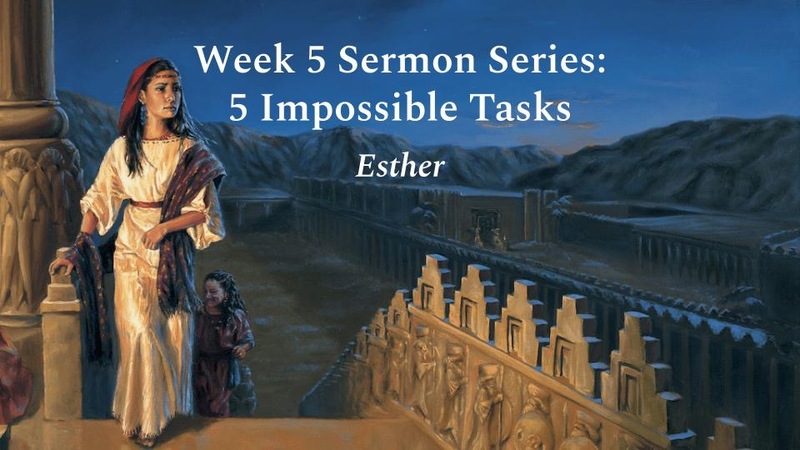
2. Esther's background: an orphan in Susa, taken into the palace under coercive circumstances; beauty opened a door but did not equal freedom.
3. Political danger: Haman's plot aimed at genocide, using power and law to threaten an entire people; Esther's status as queen still left her vulnerable.
4. Mordecai's challenge: the famous question of vocation—perhaps Esther was placed in her position for such a time as this; a crown can be a responsibility and vocation, not merely privilege.
5. Examples of vocation in action: Albert Schweitzer left acclaim to pursue medical mission work (hospital in Lambarene, 1913) as an example of redirecting gifts for others.
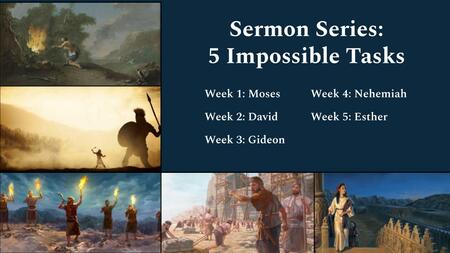
6. Biblical pattern: Moses, David, Gideon, Nehemiah, and Esther—ordinary, fearful, or ill-equipped people called to impossible tasks, who succeeded by listening, faithfulness, and relying on God and community.
7. Contemporary context: rising needs in the community (food prices, increased use of church/community services, loneliness, anxiety) and an election season that can heighten division—this is our time and our moment.
Notable Quotes
"Who knows but that you have come to your royal position for such a time as this?"
"If I perish, I perish."
"The impossible task was never yours to carry alone."
Application
- Prayerfully listen for what God is calling you to do rather than comparing your call to others.
- Use the experiences, relationships, gifts, and resources already in your hand to serve your circle of influence (family, church, neighbors, workplace).
- Take small faithful steps: make that difficult phone call, speak when silence would be easier, offer help or hospitality, challenge injustice, feed the hungry, or simply be present to someone lonely.
- Stand with others; communal practices (fasting, prayer, accompaniment) strengthen courage and action.
- Resist fear as the decision-maker; do not let comfort or status keep you from vocation.
Prayer Points
- Pray for courage to act in the face of danger or discomfort.
- Pray for wisdom to hear God’s call and to use personal gifts for others.
- Pray for community needs: food insecurity, loneliness, anxiety, and increased hardship.
- Pray for unity and wise engagement during the election season.
Reflection Questions
1. Where are your comforts coming into conflict with your calling?
2. What small, faithful next step could you take this week to serve someone in need or to speak up for justice?
3. How might you use the gifts and relationships already in your hand to bless your community?
4. Who can stand with you as companions for the road when facing an "impossible" task?