
Scripture References
2 Samuel 12:1–13 — Nathan Confronts King David
After King David abuses his power, takes Bathsheba, and arranges the death of her husband, Uriah, God sends the prophet Nathan to confront him.
Nathan tells David a story about a wealthy man who takes a poor man's beloved lamb despite having many animals of his own. David immediately recognizes the injustice and condemns the wealthy man's behavior.
Nathan responds, “You are the man!”
The confrontation forces David to recognize the wrongdoing he had attempted to conceal. David eventually acknowledges, “I have sinned against the LORD.”
This passage reminds us that no individual, regardless of position, influence, or authority, is beyond accountability. Acknowledging wrongdoing is essential, but it does not erase the harm caused or the consequences that follow.
Galatians 6:1–5 — Restoring One Another with Gentleness
Paul encourages believers to respond to those who have done wrong with gentleness, humility, and compassion rather than judgment or superiority.
He calls Christians to carry one another's burdens while also examining their own actions and accepting responsibility for their choices.
The passage reminds us that accountability is both personal and relational. We are responsible for our own behavior, but we are also called to support one another through the difficult work of change and restoration.
Central Message
- Accountability is not simply admitting when we are wrong. It is the willingness to recognize the impact of our actions, accept responsibility, seek forgiveness, and make meaningful changes in how we live.
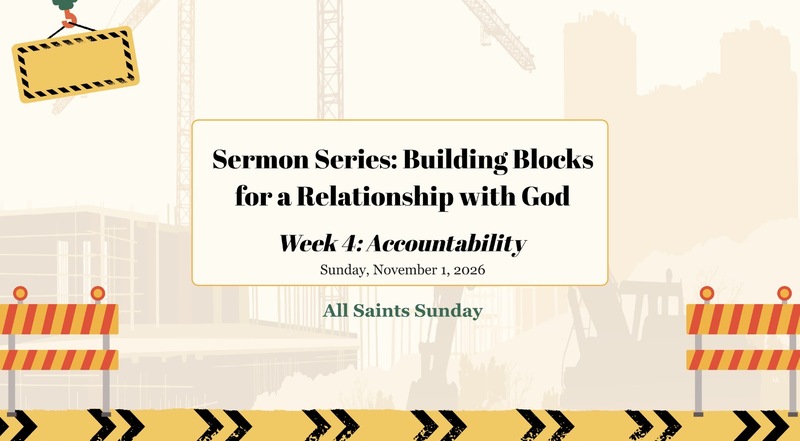
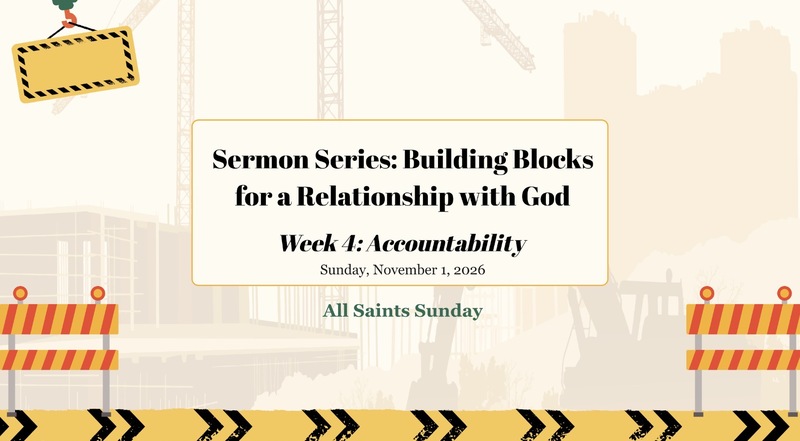
- Throughout the Building Blocks of a Relationship with God series, we have explored belonging, trust, communication, and honesty. Accountability brings these foundations together by asking what we do with the truth once we recognize it.
- Through David's confrontation with Nathan, we discover how easily people can recognize wrongdoing in others while overlooking or justifying their own behavior.
- Through Paul's teachings in Galatians, we learn that accountability should not be rooted in shame, humiliation, or condemnation. Instead, it should create opportunities for restoration, supported by gentleness, humility, and grace.
- God's forgiveness does not eliminate our responsibility to address the harm we have caused. Rather, grace invites us to acknowledge our mistakes, face their consequences, and become willing to change.
- True accountability becomes visible not only in what we admit, but in what we do differently afterward.
Key Points
- Accountability begins with personal responsibility. From childhood into adulthood, we learn that our decisions have consequences. Spiritual maturity includes acknowledging our choices and understanding how they affect others.
- Recognizing wrongdoing in others is often easier than recognizing it in ourselves. David immediately condemns the injustice in Nathan's story without realizing that the story reflects his own behavior.
- Power does not eliminate accountability. David's position as king did not excuse his abuse of authority, deception, or the harm he caused Bathsheba and Uriah. Being chosen by God did not place him beyond responsibility.
- Accountability requires more than explanations or excuses. Attempting to justify our behavior, minimize its impact, or shift responsibility prevents us from honestly addressing what happened.
- Acknowledging harm is the beginning of restoration. David's admission, “I have sinned against the LORD,” represents an important turning point. However, confession does not erase the consequences of his actions.
- Sincere apologies acknowledge the behavior and its impact. There is a meaningful difference between saying, “I'm sorry you got upset,” and accepting responsibility for speaking harshly or causing harm. Genuine accountability requires listening and understanding.
- Restoration should be approached with gentleness. Paul instructs believers to help restore those who have done wrong without judgment or self-righteousness. Correction should reflect humility and compassion.
- We are called to carry one another's burdens while remaining responsible for our own choices. Supporting someone through change does not mean taking responsibility for their actions. We can walk alongside others without doing their work for them.
- Accountability involves making amends when possible. Drawing upon the Twelve Steps of Alcoholics Anonymous, the sermon emphasizes self-examination, acknowledging wrongdoing, and repairing harm without causing additional injury.
- Forgiveness and restored trust are not the same thing. We may receive forgiveness, but rebuilding trust requires consistent behavior and meaningful change over time. We cannot demand that others immediately trust us again.
- God's grace invites transformation rather than avoidance. Through honest prayer, we become willing to face uncomfortable truths, acknowledge our failures, and allow the Holy Spirit to guide us toward change.
- Accountability becomes visible through changed behavior. Recognizing a mistake matters, but transformation occurs when we begin making different choices, repairing relationships, and addressing harmful patterns.
- All Saints Sunday reminds us of the lasting influence of others. The lives of loved ones, mentors, and faithful members of our communities continue shaping our values, decisions, and understanding of responsibility.
- Honoring those who came before us includes carrying their lessons forward. Remembering the saints is not simply about reflecting on the past. It is also an opportunity to consider how their examples influence the people we are becoming.
- Accountability completes the foundation of a deeper relationship with God. Belonging reminds us that we are loved. Trust allows us to rely on God's faithfulness. Communication invites honesty and listening. Accountability challenges us to respond through responsibility, growth, and transformation.
Notable Quotes
The following are direct excerpts from the sermon:
- “Accountability means being willing to answer for our choices and what those choices do to other people.”
- “Being chosen by God never placed David beyond accountability.”
- “Even a king must answer for the harm he causes.”
- “I cannot do your repenting for you, but I can walk beside you while you do the hard work of changing.”
- “We cannot demand that someone else trust us immediately. We can begin becoming more trustworthy.”
- “For me, transformation is where accountability becomes visible in our daily lives.”
- “God calls us toward truth because God loves us and desires our healing.”
- “May we be willing to face the truth, receive grace, and take the next faithful step.”
Application
- Practice taking responsibility for your choices without immediately offering explanations, excuses, or shifting blame.
- When conflict occurs, consider whether your response acknowledges the other person's experience or focuses primarily on defending your intentions.
- Recognize that meaningful apologies require more than words. They involve acknowledging the harm caused, listening to those affected, and taking appropriate steps toward repair.
- Approach others who are struggling with accountability through compassion and humility rather than judgment or superiority.
- Remember that supporting someone through change does not mean removing the consequences of their choices or assuming responsibility for their behavior.
- Allow prayer to become an opportunity for honest self-examination. Consider where God may be inviting you to acknowledge something difficult or change a familiar pattern.
- Reflect on the people whose lives have shaped your values and character. Consider how their wisdom, love, and example continue influencing your decisions.
- As Desert Chapel observes All Saints Sunday, honor those who have gone before us by carrying forward the compassion, faith, and meaningful lessons they shared.
- Choose one area of your life where accountability can become visible through a meaningful action rather than simply an intention.
Prayer Points
- Pray for the courage to acknowledge our mistakes and accept responsibility for the consequences of our choices.
- Pray for humility when receiving correction and wisdom when offering guidance to others.
- Pray for those who have been hurt by the actions of others, asking for healing, comfort, and appropriate opportunities for restoration.
- Pray for the willingness to make sincere apologies and meaningful amends when possible.
- Pray for patience and perseverance as we work to rebuild trust through consistent actions and changed behavior.
- Pray for the ability to receive God's forgiveness while remaining committed to personal growth and transformation.
- Pray for those grieving the loss of loved ones and for gratitude for the lives that continue influencing our faith.
- Pray that Desert Chapel remains a community where accountability is practiced with compassion, grace, humility, and genuine care for one another.
Reflection Questions
- When I make a mistake, is my first response to acknowledge it, explain it, or defend myself?
- Have I ever recognized a behavior as wrong in someone else while struggling to acknowledge something similar in myself?
- What does a meaningful apology look like, and how can I ensure my actions reflect the responsibility I have accepted?
- Are there relationships in my life where rebuilding trust requires consistent behavior rather than additional promises?
- How can I support someone who is struggling without assuming responsibility for their choices or minimizing the consequences?
- Is there an area of my life where I have acknowledged a problem but have not yet taken meaningful steps toward change?
- Who are the people whose examples continue shaping my values, character, and understanding of accountability?
- How can I honor the memory of those who have influenced my faith by carrying their lessons into my everyday life?
- What is one responsibility I need to stop avoiding, and what faithful step can I take this week to begin addressing it?
Closing Thought
- Accountability is rarely comfortable. It requires vulnerability, honesty, humility, and the willingness to acknowledge parts of ourselves we may prefer not to confront.
- Yet accountability is also an opportunity for growth.
- The story of David reminds us that even those entrusted with great responsibility can make choices that cause significant harm. Paul's words in Galatians remind us that restoration requires both personal responsibility and compassionate support from others.
- As Desert Chapel concludes its Building Blocks of a Relationship with God series, we are reminded that these foundations are deeply connected.
- Belonging assures us that we are loved and welcomed.
- Trust encourages us to rely on God's faithfulness, even when the path ahead is uncertain.
- Communication invites us to speak honestly, listen deeply, and remain open to God's guidance.
- Accountability challenges us to put that relationship into action through responsibility, forgiveness, and meaningful change.
- On All Saints Sunday, we are also reminded that the lives we touch and the examples we set can continue influencing others long after we are gone.
- The people who helped shape our faith leave behind more than memories. They leave lessons, values, and expressions of love that we have the opportunity to carry forward.
- God's grace does not require us to be perfect. It invites us to be honest, willing to grow, and courageous enough to take responsibility for our choices.
- We are loved. We are forgiven. And through God's grace, we are continually invited to grow in faith, responsibility, and love.
